How Root Canal Treatment Can Prevent Tooth Extraction and Improve Oral Health
Root canal treatment is a common dental procedure that can save an infected or damaged tooth from being pulled. Understanding how it works may help patients make better decisions about their oral health.
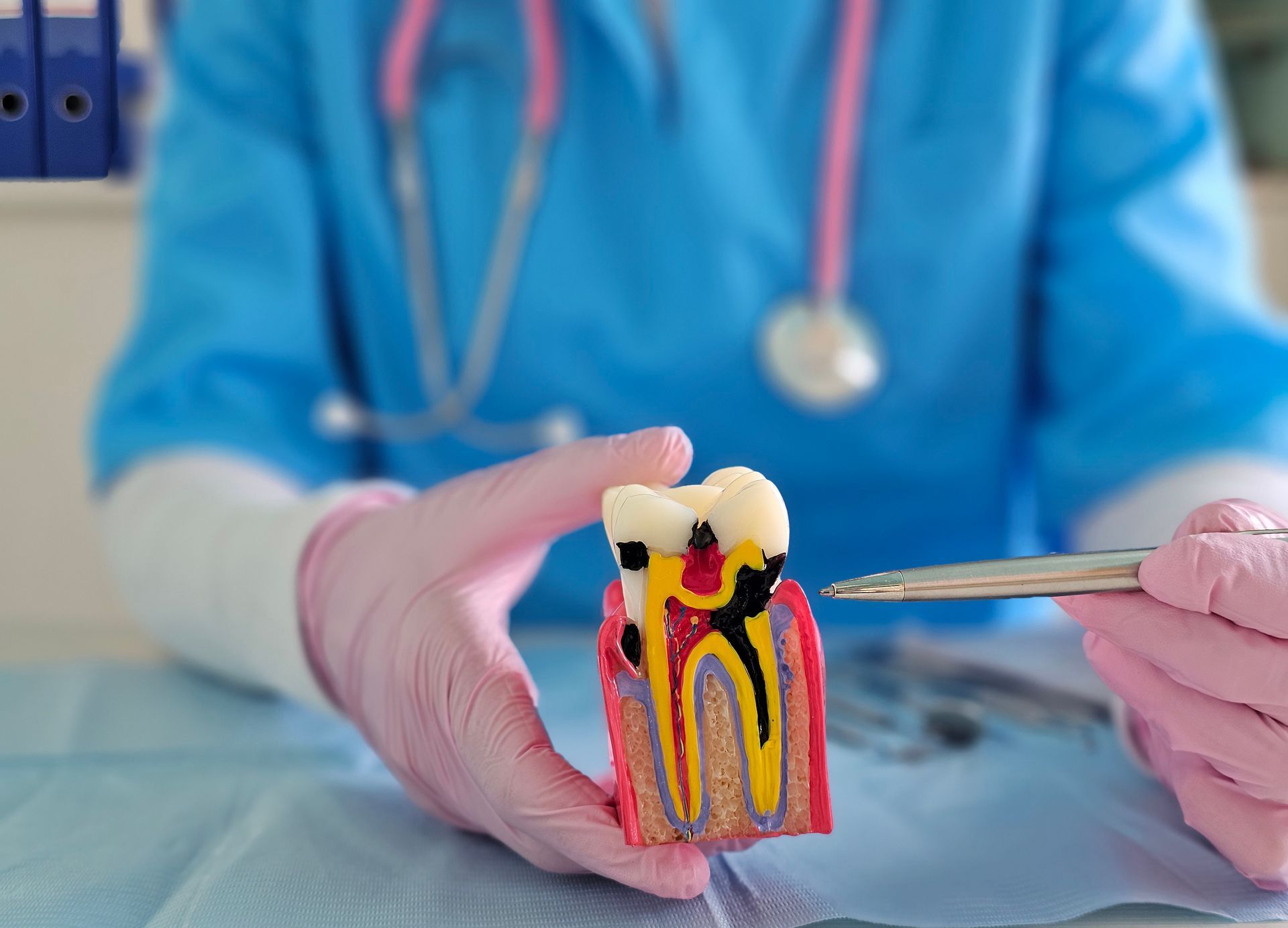
When a tooth's inner pulp becomes infected or inflamed, bacteria can spread quickly. Left untreated, that infection can cause serious problems, including the loss of the tooth itself. Root Canal Treatment stops that process in its tracks. For patients in Kodiak, AK, access to specialized dental care can require careful planning. That makes saving a natural tooth, rather than replacing it, often the most practical and healthiest choice.
What Is Root Canal Treatment and How Does It Work?
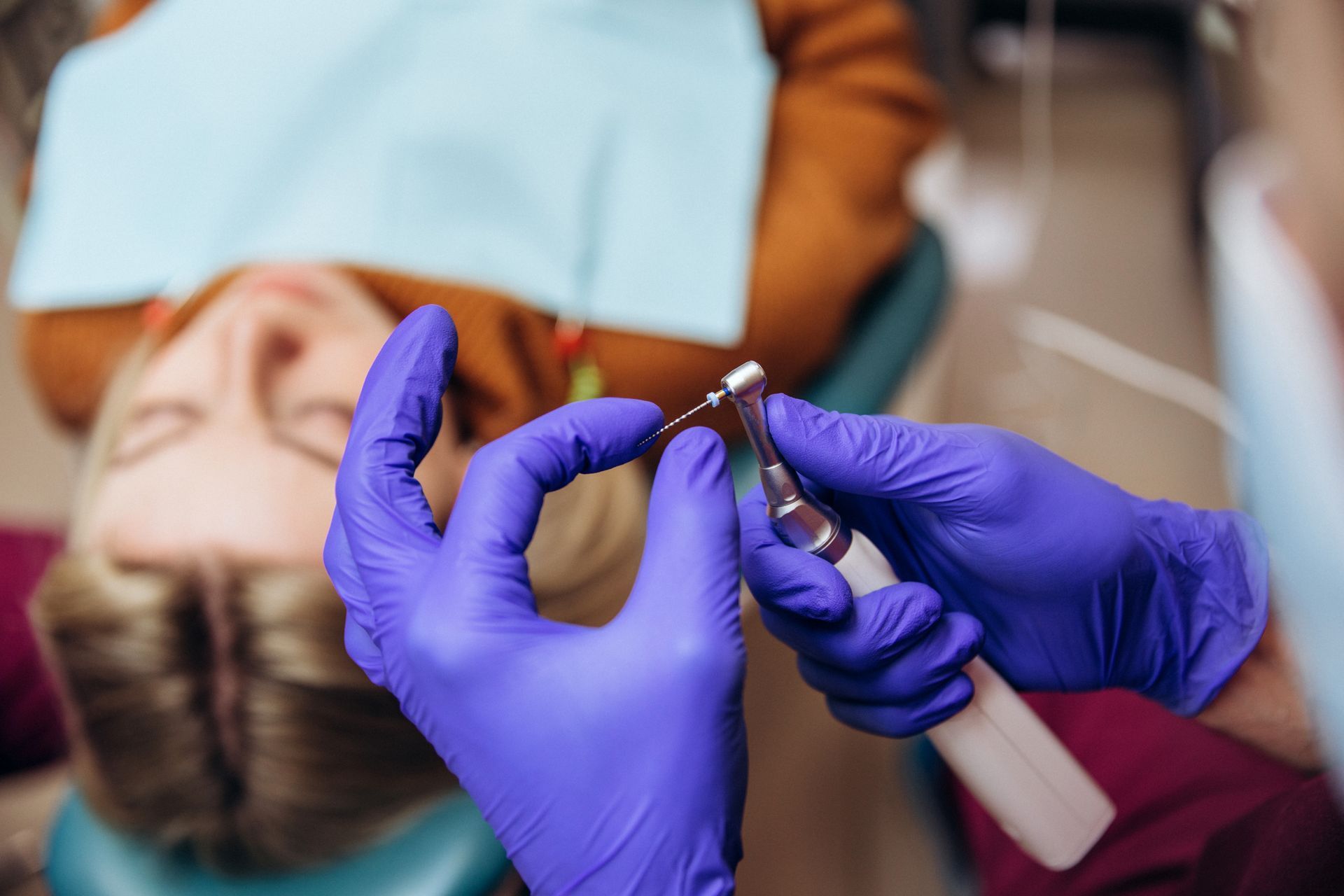
Root Canal Treatment removes the infected or damaged pulp from inside a tooth. This process may sound intimidating, but it is one of the most effective ways to eliminate pain and preserve your natural smile. A dentist or endodontist cleans out the infected tissue, shapes the inner canal, and seals it to prevent future bacteria from entering. In many cases, a dental crown is then placed over the tooth to protect it and restore full function.
The procedure typically requires one to two appointments. Modern techniques and local anesthesia make the experience far more comfortable than many patients expect. Most people say treatment feels similar to getting a routine filling.
Signs You May Need This Procedure
Catching the warning signs early can lead to better treatment outcomes. Common indicators include:
▸ Persistent or severe toothache that does not go away on its own.
▸ Sharp sensitivity to hot or cold temperatures that lingers after the source is removed.
▸ Darkening or discoloration of the affected tooth.
▸ Swelling or tenderness in the nearby gums.
▸ A small bump or pimple on the gum near the painful tooth.
If any of these symptoms sound familiar, schedule an evaluation promptly. Early care may help you avoid a more involved treatment later.
How Does Root Canal Treatment Prevent Tooth Extraction?
Saving the natural tooth is almost always preferable to removing it. Root Canal Treatment removes the infection without taking the tooth. When infection reaches the pulp, the only alternatives are to treat the tooth internally or remove it entirely. Extraction may seem like a simpler solution, but it often leads to a chain of other oral health concerns.
Once a tooth is extracted, the surrounding teeth can begin to shift toward the open gap. This movement may affect your bite, create new pockets where bacteria can collect, and change the overall alignment of your teeth over time. Bone loss in the jaw at the extraction site is also a common long-term consequence. Replacing an extracted tooth with an implant or bridge is possible, but these options involve additional procedures, recovery time, and cost.
This treatment preserves the original tooth, keeps surrounding teeth in place, and maintains normal chewing function. It also keeps the jawbone stimulated, which helps slow bone loss in that area. For Kodiak, AK, residents who value both long-term health and convenience, keeping your natural tooth is typically the wiser path forward.
The Connection Between Oral Health and Overall Well-Being
Oral health is closely linked to your overall health. Untreated tooth infections do not always stay confined to the mouth. Bacteria from an infected tooth can travel through the bloodstream and may contribute to inflammation elsewhere in the body. Research continues to explore links between poor oral health and conditions affecting the heart and other systems.
Treating an infection at the source with Root Canal Treatment may reduce these broader health risks. Removing infected tissue and sealing the tooth cuts off the source of bacterial spread. This is another reason prompt treatment tends to produce better outcomes than delaying care.
What Happens After the Procedure?
Recovery after Root Canal Treatment is typically straightforward. Most patients experience mild soreness for a few days, which can usually be managed with over-the-counter pain relievers. Avoid hard or crunchy foods while the area heals.
Getting a dental crown is an important next step. Without a crown, the treated tooth can become brittle and may crack over time, potentially undoing the benefits of the procedure. Proper aftercare and regular dental checkups help ensure the treated tooth remains healthy for years to come.
A consistent oral hygiene routine at home also plays a key role. Brushing twice daily, flossing, and keeping up with professional cleanings all support the long-term success of the treatment.
Take the Next Step Toward a Healthier Smile With Bridgeview Dental Group
Protecting your natural teeth is one of the most important investments you can make in your long-term health. Do not wait to seek care if you are experiencing tooth pain, sensitivity, or other warning signs. The sooner a problem is addressed, the more treatment options are likely to be available.
Bridgeview Dental Group offers Root Canal Treatment and a full range of dental services to patients in Kodiak, AK. To learn more about available treatments, visit the
root canal services page or the
services page. To schedule an appointment,
contact the team today or call
(907) 486-3257. Find us on Google Maps and read patient reviews at
Bridgeview Dental Group.